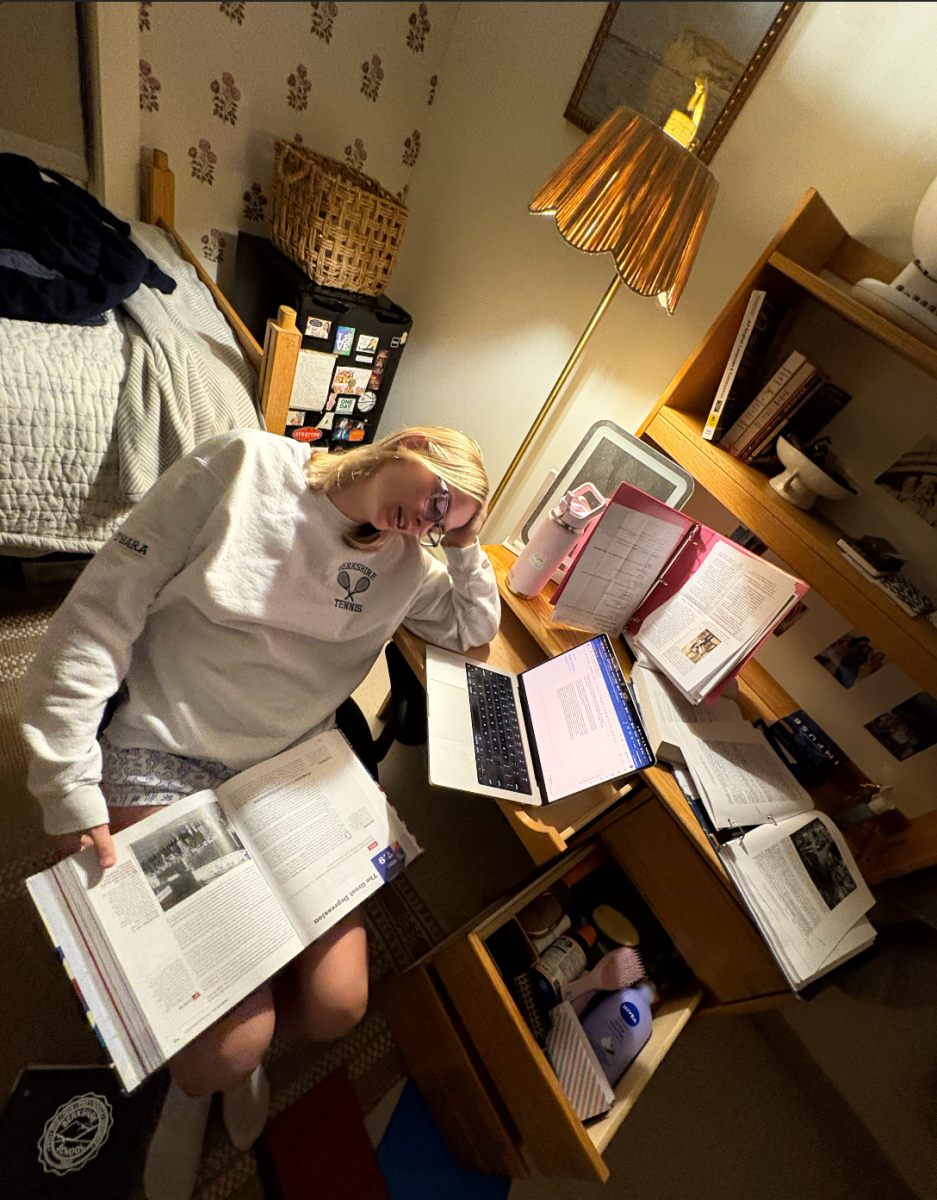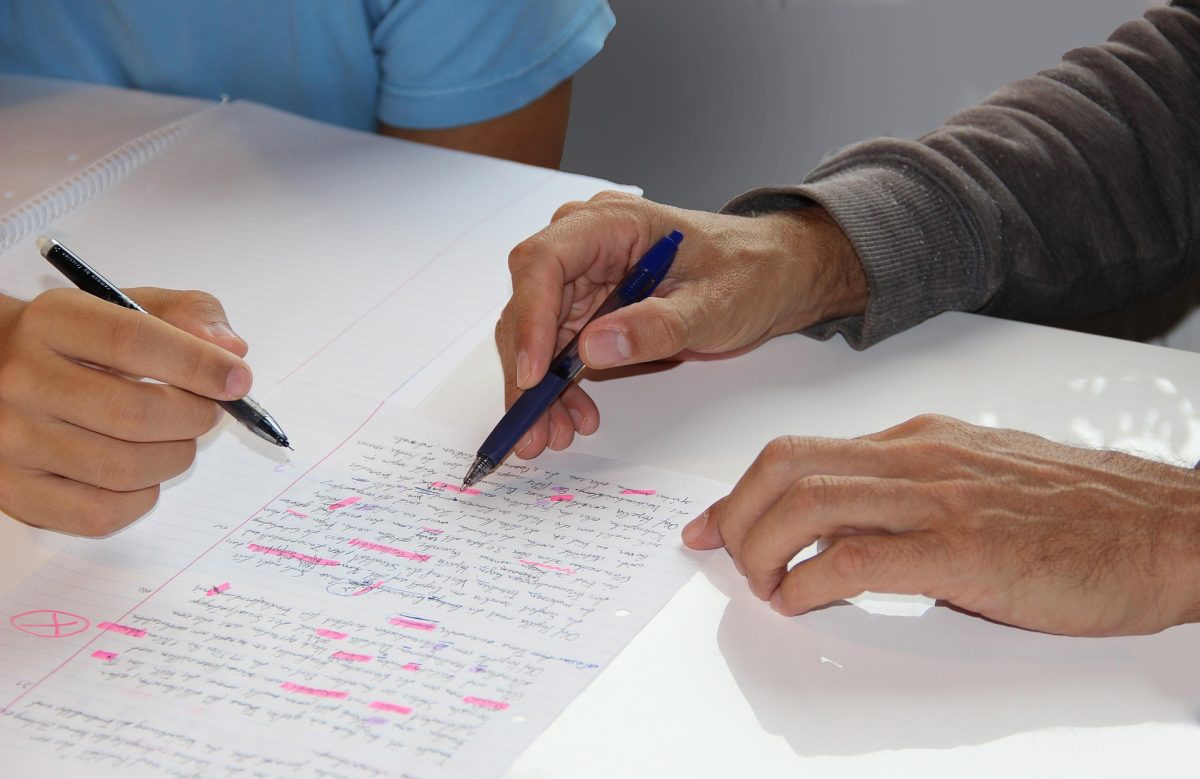
It was another icy day under the Mountain, and I was on the brink of enjoying a rejuvenating 20-minute shower. That was the plan, at least, until my alarm rang, reminding me of my Writing Center duty. I sighed, slung my backpack over my shoulder, and mentally prepared to spend two hours in a silent room. Trudging through ten inches of snow on my way to Berkshire Hall, I fiercely resisted my growing temptation to return to my dorm. After all, I knew who would come begging for help: no one.
Having worked in the Writing Center for more than two years, I’ve had fewer than 30 students come in for help. Most nights, I sit alone with my textbooks, teachers stopping to check in, and if I’m lucky, free Twizzlers and oranges laid out on the table. Why is the Writing Center so empty? If it was created to support students and contribute to their success, why does it remain student-less?
With graduation in less than five months, I was eager to solve this mystery that had long perplexed me. To find out, I sent a survey to the entire student body about their use (or lack thereof) of the writing, math, and language help centers. The results showed that some serious renovation and reorganization of this system are long overdue.
Of the three resource centers, the Writing Center had the most respondents (92.9%), all of whom visited the Writing Center 0 times per week. Soon, I realized that it wasn’t only the Writing Center haunted with student ghosts and staffed by tutors who sacrificed showers to sit in vacant classrooms. All three academic resource centers faced the same problem: students don’t show up. And every reason the students gave for not utilizing these “helpful” spaces made sense, so it’s hard to blame them.
The number one reason was being “too lazy to get out of their rooms.” Close behind were “I have AI tools to help me more efficiently” and “I don’t find [these spaces] helpful.” Others cited a lack of free time, working with private tutors, or a preference for teachers’ office hours. Some admitted that receiving help made them feel stupid, or that they found themselves fighting with other students to get help from a specific tutor (though I can attest that that is rarely the case for the Writing Center).
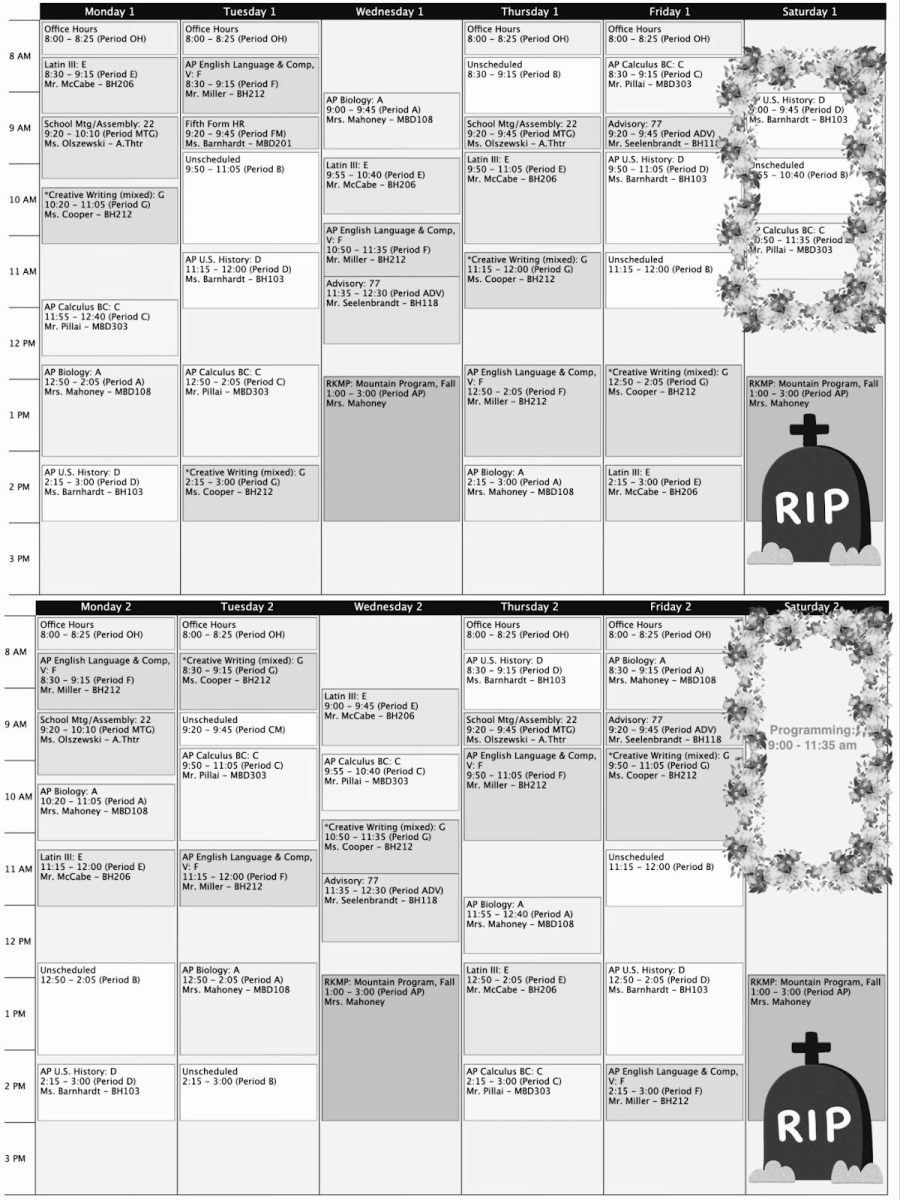
Evidently, students want to avoid the hassle of trekking across campus to ask questions that Gemini and ChatGPT can answer instantly. The most decisive truth, however, is that few of us actually have free time, especially during study hall hours. If we barely manage to fit in skincare routines before lights out, how will we find the motivation and time to get dressed, pack our backpacks, get passes signed, and run over to Berkshire Hall in below-zero degree weather?
We’re lucky to have a school full of eager problem-solvers. In the survey, the Bears offered practical, actionable suggestions to better fit these resources into their busy Berkshire schedules. Several proposed initiatives to set up tutoring hubs during each period (including Week 2 club blocks), so that those with free blocks can meet up and study together in designated spaces (i.e., Fentress or Crawford) with student tutors who are “on-duty.” Others suggested extending the MRC and Writing Center’s operating hours to Friday nights, since major assignments are often due toward the end of the week.
My favorite, however, was implementing a system of dorm tutoring, where qualified tutors in different subjects take turns on duty in their common rooms, prepared to answer questions from their dormmates on math, history, language, English, or science. All tutors would still undergo a formal application process, but their presence would feel more like that of a prefect—familiar, welcoming, and integrated into dorm life—rather than intimidating, burnt-out upperclassmen who appear eager to go back to bed.
If we’re going to keep the study-hall tutoring sessions, we also need to talk about snacks. After a long day of classes, sports, clubs, and millions of commitments, our brains scream for evening fuel. I feel that a small ‘nudge’ won’t hurt; perhaps fresh fruit, donuts, and apple cider provided across tutoring spaces would compel bears to brave the walk to various academic buildings despite tempestuous weather.
Let me make myself clear. I wholeheartedly champion the idea behind the resource centers. They provide a great opportunity for dedicated students to support their community and build new connections. But under the current system, its potential falls short. If we truly wish to strengthen the bears’ academic success through student-led tutoring, we must actively identify why it’s not working and implement the necessary changes based on continued community feedback.
So, be on the lookout for another survey in May before commencement. In the meantime, who wants to try some common-room calculus sessions alongside shared snacks and free-period writing help in our vibrant, cozy campus center?