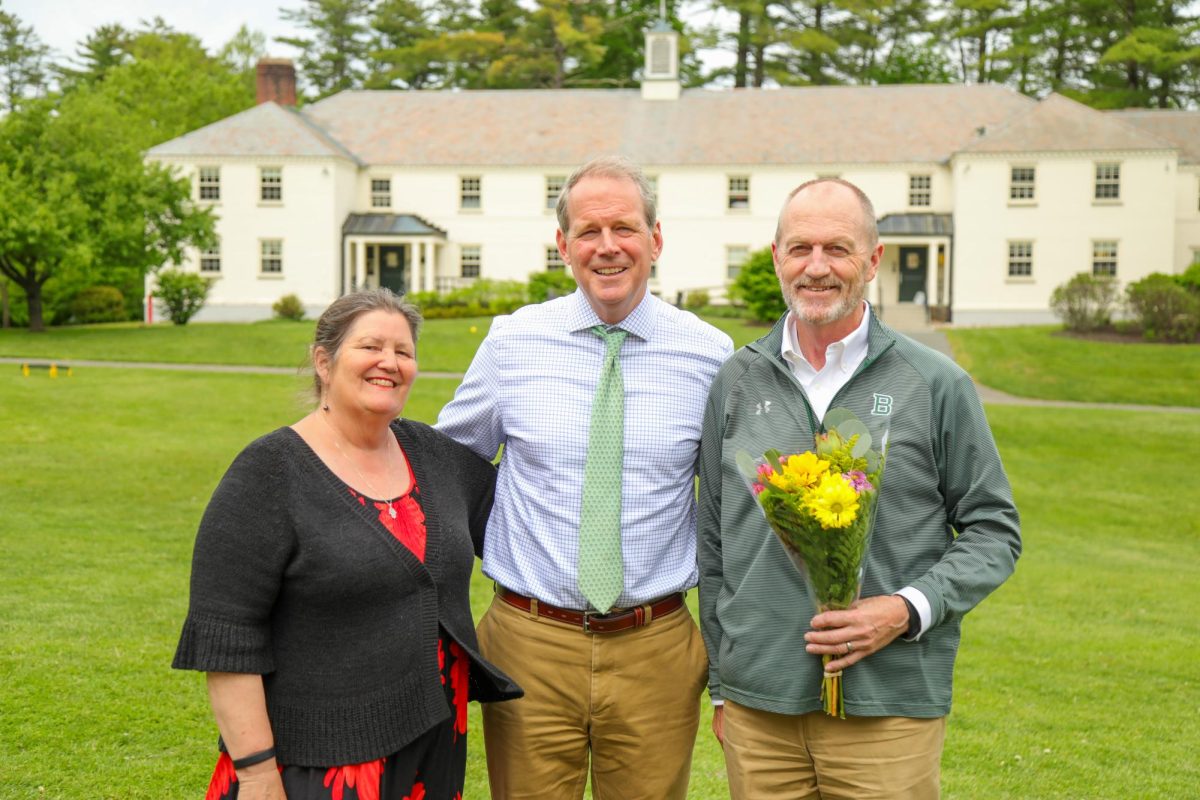
Today, we’re interviewing Mr. Bowler, our freshman year history teacher. His class, World History through Religion, was one of the first places where many students at Berkshire began exploring history. From playing Jeopardy before tests to discussing weekly current events, his classroom was never just about memorizing facts; it was about understanding people, ideas, cultures, and what it means to live with purpose.
Annabelle and Abigail: On the first day of school, you did a great job of making us feel welcomed. How do you approach creating a classroom environment where students feel seen and valued?
Mr. Bowler: I always try to greet students with a smile that first day. Everyone’s nervous, and little things—saying hello, asking how someone’s doing—go a long way. I want the classroom to feel like a safe place to learn about new cultures and ideas. Small acts of kindness can make a big difference.
Annabelle and Abigail: During long blocks, we always discussed current events. Why do you think it’s important for students to stay connected to what’s happening in the world right now?
Mr. Bowler: It’s essential to understand how real life is playing out beyond the classroom. Talking about current events builds curiosity and inclusion. You want to be able to discuss what’s happening in the world intelligently—it helps you become a more aware and empathetic person.
Annabelle and Abigail: One Bible verse that changed our perspective was Matthew 7:3–5, about recognizing the “plank in your own eye.” How do you think that message applies to daily life?
Mr. Bowler: That story is powerful because it reminds us to look at ourselves before judging others. It’s so easy to be critical, but if we reflect on our own imperfections, we treat others with more grace. Whether it’s classmates, teammates, or friends, self-awareness leads to kindness.
Annabelle and Abigail: Why do you think it’s important for freshmen to study Scripture and religion? How do you keep students engaged with a traditional subject?
Mr. Bowler: The Bible is the most influential book in the world. Even if students aren’t religious, understanding it helps them understand culture and history. I try to keep things engaging by showing my own excitement; if the teacher’s passionate, students feel that energy too.
Annabelle and Abigail: Any final thoughts?
Mr. Bowler: One of my favorite books, The Holy Man, says if everyone treated others as holy, the world would be a kinder place. That’s what I try to teach: how small acts of kindness matter.
Thank you, Mr. Bowler, for reminding us that learning history isn’t just about the past; it’s about how we live today.